4.1.1

Master Thesis

Module Type

Compulsory

Credits

30

Hours

a semester

The thesis is undertaken in the fourth semester, following the successful completion of all modules and the traineeship, and builds on Seminar 4: “Research Methodologies for Cultural Heritage Landscapes and Design”. It may take the form of either an individual “research-by-design” project or a written dissertation. In both cases it requires a clearly defined hypothesis or concept, an appropriate methodological approach, and development of work in close relation to the selected site, case study, or research topic. The thesis is conceived as the culmination of the programme, bringing together the theoretical knowledge, critical perspectives, research skills, and design methodologies developed throughout the course of study. Students are expected to produce work of high analytical, methodological, visual, and textual quality, with particular attention to modes of representation in research- by- design cases such as drawings, diagrams, photographs, 3D representations, and other relevant material.

3.1.4

Traineeship in the “Workshop for Field Research Laboratory in Cultural Landscape”

Faculty

Module Type

Compulsory

Credits

8

Hours

5 per week

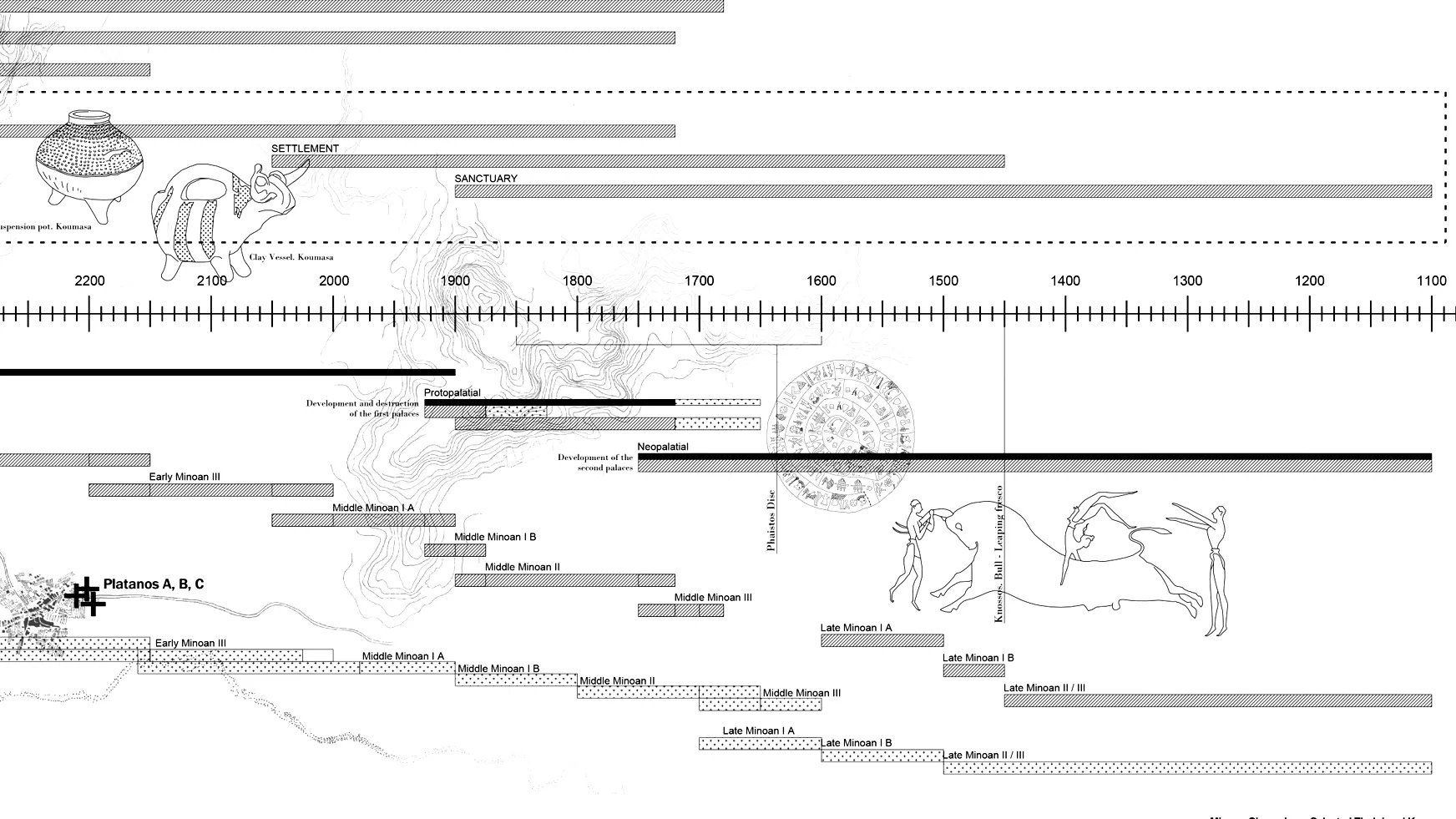
This intensive five-week traineeship provides immersive training in archaeological fieldwork, digital documentation, and heritage communication within the context of the ongoing research program “Minoan Koumasa: Reconstruction of an Archaeological Landscape” in Crete. The traineeship bridges theoretical knowledge with practical application, offering students direct participation in active archaeological research while developing professional competencies essential for contemporary heritage practice. Students gain practical and theoretical knowledge of archaeological methodology through participation in interdisciplinary field research. They develop skills in excavation, survey, digital documentation and mapping, strengthen their analytical abilities in material recovery and interpretation, and build experience in heritage communication, teamwork, and collaborative research. Participants develop advanced technical proficiency in professional-grade digital documentation tools, including Total Station, D-GPS, drone operation, photogrammetry, and 3D scanning technologies, enabling them to execute professional archaeological recording and visualization and they gain operational competence in GIS methodology and digital mapping applications, learning to analyse, interpret, and represent archaeological sites and landscapes through spatial data management and map visualization. Analytical capabilities are strengthened through hands-on training in sampling protocols, flotation processes, and micromorphological analysis, enabling students to apply scientific rigor to archaeological material recovery and interpretation.

3.1.3

Seminar 4: Research Methodologies for Cultural Heritage Landscapes and Design

Faculty

Module Type

Compulsory

Credits

6

Hours

5 weeks

This module aims to explore a set of research methodologies used in the field of Cultural Heritage Studies, in dialogue with Architecture and Archaeology. It develops an intensive strategy for five weeks where the students will prepare their research proposal for the Master thesis. During the first week, the students will attend two theoretical lessons on research methodologies in Cultural Heritage Landscape, where they will learn to formulate a research problem and establish research goals; as well as acquire knowledge on the several research methods and tools for Cultural Heritage and Landscapes. The second, third and fourth week is dedicated to the student work, where they will propose research problems and goals to frame their research and identify the methodologies that are more adequate to achieve the expected results (goals). The final week will focus on the submission, presentation and discussion of the student’s research proposal for their Master thesis with the supervisors and external jury.

3.1.2

Seminar 3: Management of Cultural Sites

Faculty

Module Type

Compulsory

Credits

4

Hours

3 weeks

This seminar will utilize the preservation process outlined in the Burra Charter as the basis for a rational, values-based approach to managing cultural sites. Using the framework of the World Heritage Convention, and its requirements for authenticity and integrity to achieve Outstanding Universal Value, this seminar has an international focus and will review case studies from both historic and archaeological sites. It focuses on the compilation of background information and identification of the key interested parties; analysis of site significance and assessment of existing conditions and management constraints; and development of the management policy and strategies for its implementation. The delicate balancing act between cultural enhancement and exploitation are explored, as well as the need to periodically monitor and reassess the management policy. A site will be selected for the students to evaluate in terms of authenticity. Following a values-based approach, the students will analyze significance, review the management context, identify values, understand how management plans are developed, and prepare a statement of significance.

3.1.1

Design Studio B: Historical Landscapes and Design

Faculty

Module Type

Compulsory

Credits

12

Hours

6/week

The module explores the principles and practices of architectural interventions within historically layered urban and rural contexts. Focusing on the palimpsestic nature of heritage sites—where multiple historical eras coexist and overlap—the module examines strategies for sensitive architectural integration, adaptive reuse, and conservation that respect the integrity of the historical fabric. It also investigates cultural landscapes as dynamic, living expressions of human interaction with the environment, emphasizing their role in shaping spatial memory and collective meaning. Special emphasis is placed on the relationship between built heritage and landscape elements, as key components of cultural identity. Through case studies, site analysis, and design exercises, students will develop critical methodologies for engaging complex heritage environments, balancing preservation with contemporary architectural expression and sustainable landscape stewardship.

The module encourages students to engage critically with a series of questions surrounding heritage and contemporary design. How can architectural interventions respond to historical layers in a way that neither imitates nor erases them, but instead creates a meaningful coexistence? In what ways can heritage-led design strengthen or challenge local and collective identities, and how might it shape the social meaning of place?

The module explores the role of cultural heritage in confronting climate change, particularly through adaptive reuse strategies that support environmental resilience.

The module begins with a series of introductory lectures. At the same time, students visit the historically significant area where they will be working, collect material (photographs, survey drawings, bibliography), and create maps. Throughout the semester, they work in groups—comprising both architects and non-architects—to develop a proposal for a strategic intervention plan and the architectural integration into the historical site.

2.2.2

Mediation and Presentation of Cultural Heritage

Faculty

Module Type

Elective

Credits

6

Hours

2/week

The module examines how cultural heritage is interpreted, mediated and publicly presented across a range of contexts, including archaeological sites, museums, urban environments and digital platforms. It introduces key theoretical approaches to representation, authenticity and narrative construction and explores how this shape the ways in which tangible, intangible and digital heritage are understood by different audiences.​ Emphasis is placed on the relationship between scholarly interpretation, curatorial practice and communicative strategies, highlighting how decisions in design, text production and media use influence public engagement with the past. Through the discussion of national and international case studies, students develop an awareness of the social, political and aesthetic dimensions of heritage mediation and learn to critically assess existing forms of presentation.​

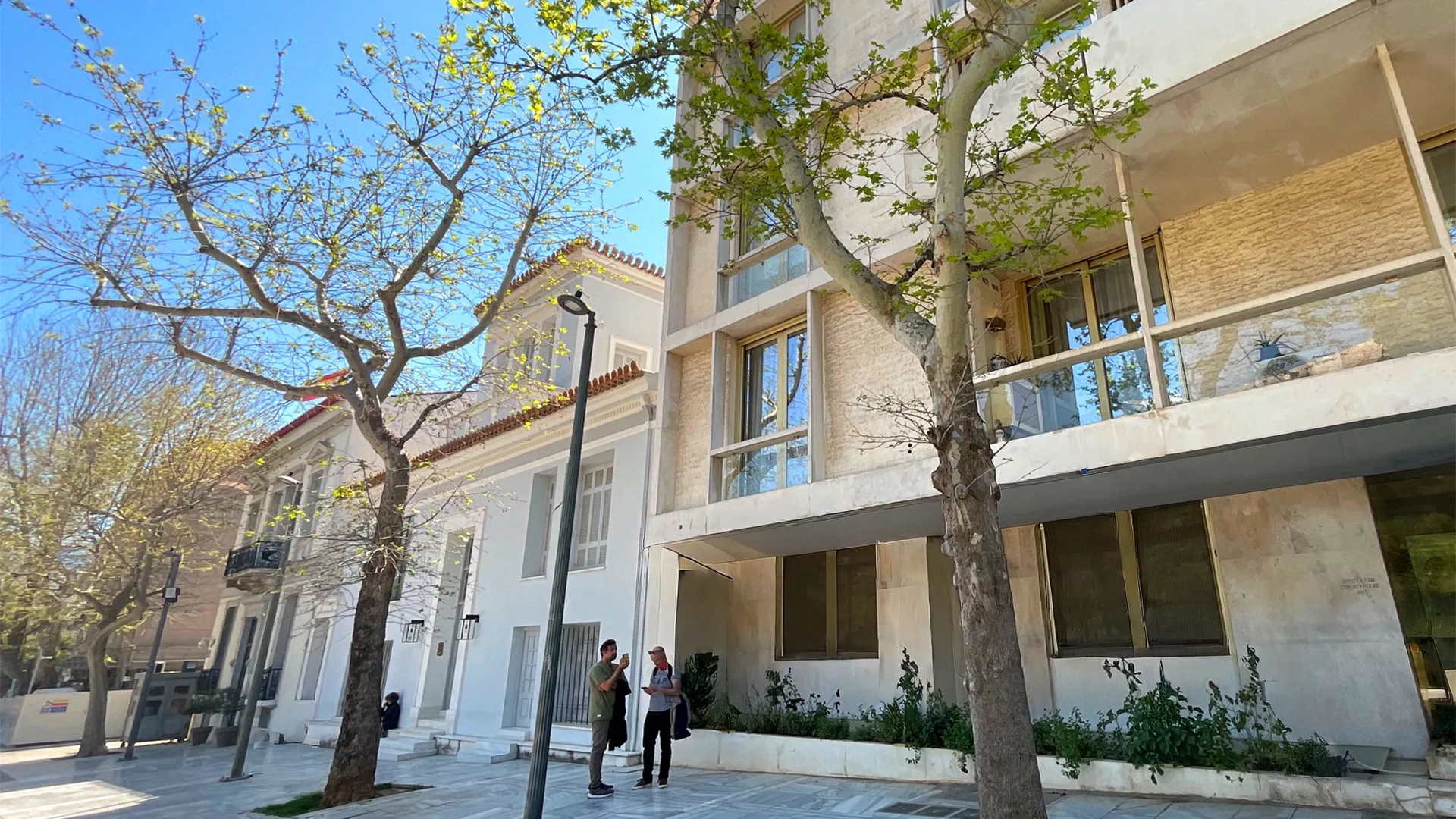
A central component of the module is a teaching week in Athens, which provides direct engagement with the city’s multilayered historical landscape. During this practical phase, students analyse diverse heritage sites, reflect on questions of visibility and absence in the urban fabric and experiment with approaches to communicating complex historical narratives to specialist and nonspecialist audiences. The combination of theoretical grounding and practical investigation supports the development of reflective, creative and contextsensitive strategies for the presentation of cultural heritage.

1.1.1

STUDIO Α: Archeological Landscapes and Design

Faculty

Module Type

Compulsory

Credits

12

Hours

6/week

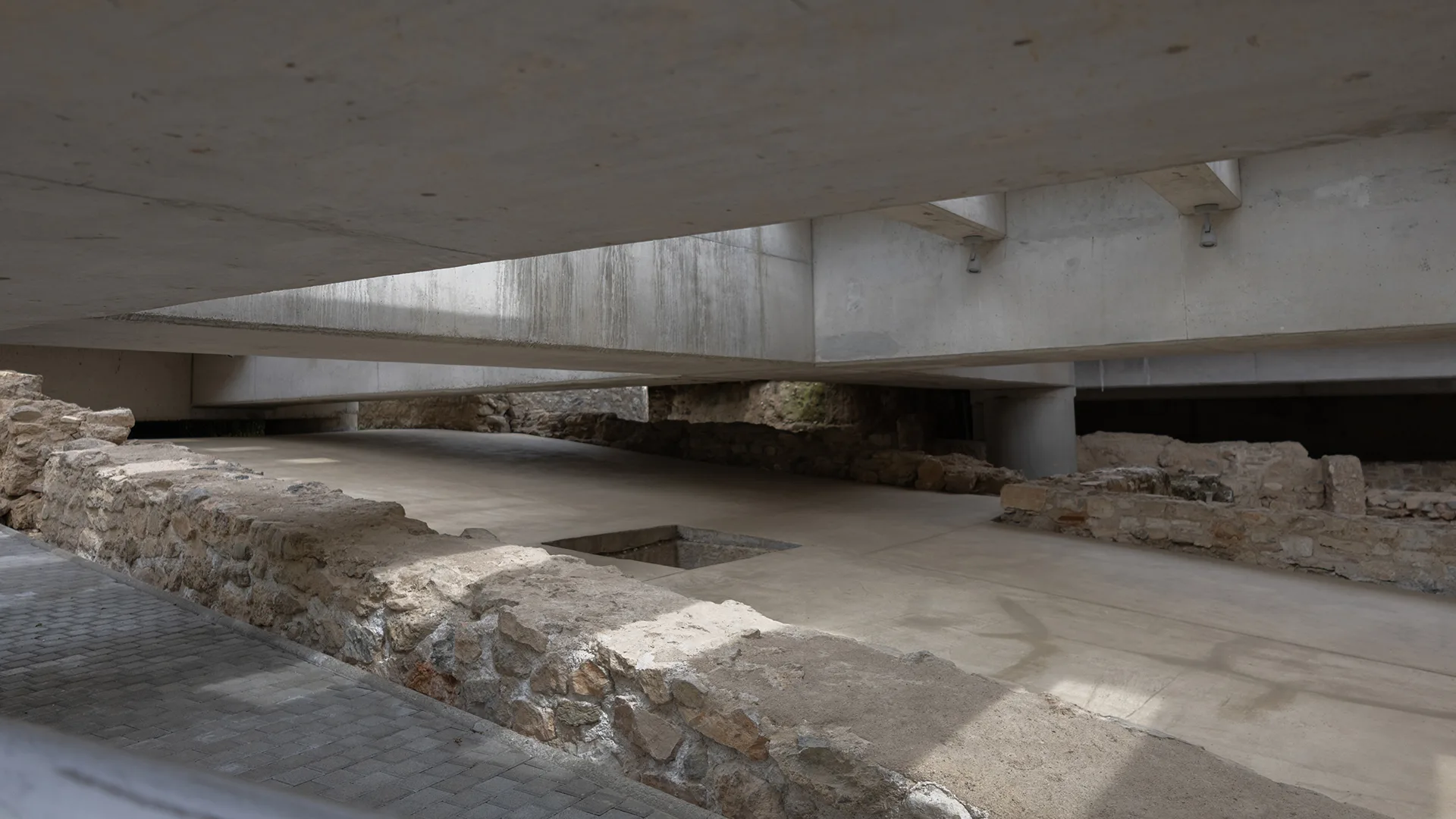
The studio focuses on the enhancement and proper functioning of archaeological sites in relation to the natural landscape, through the development of connectivity and networking scenarios. The design intervention takes place in archaeological sites located in peri-urban or natural landscapes. A contemporary approach is adopted to address these often isolated, abandoned, or hard-to-access areas, aiming to transform them from places of ruins into vibrant public spaces with cultural, social, and economic value.

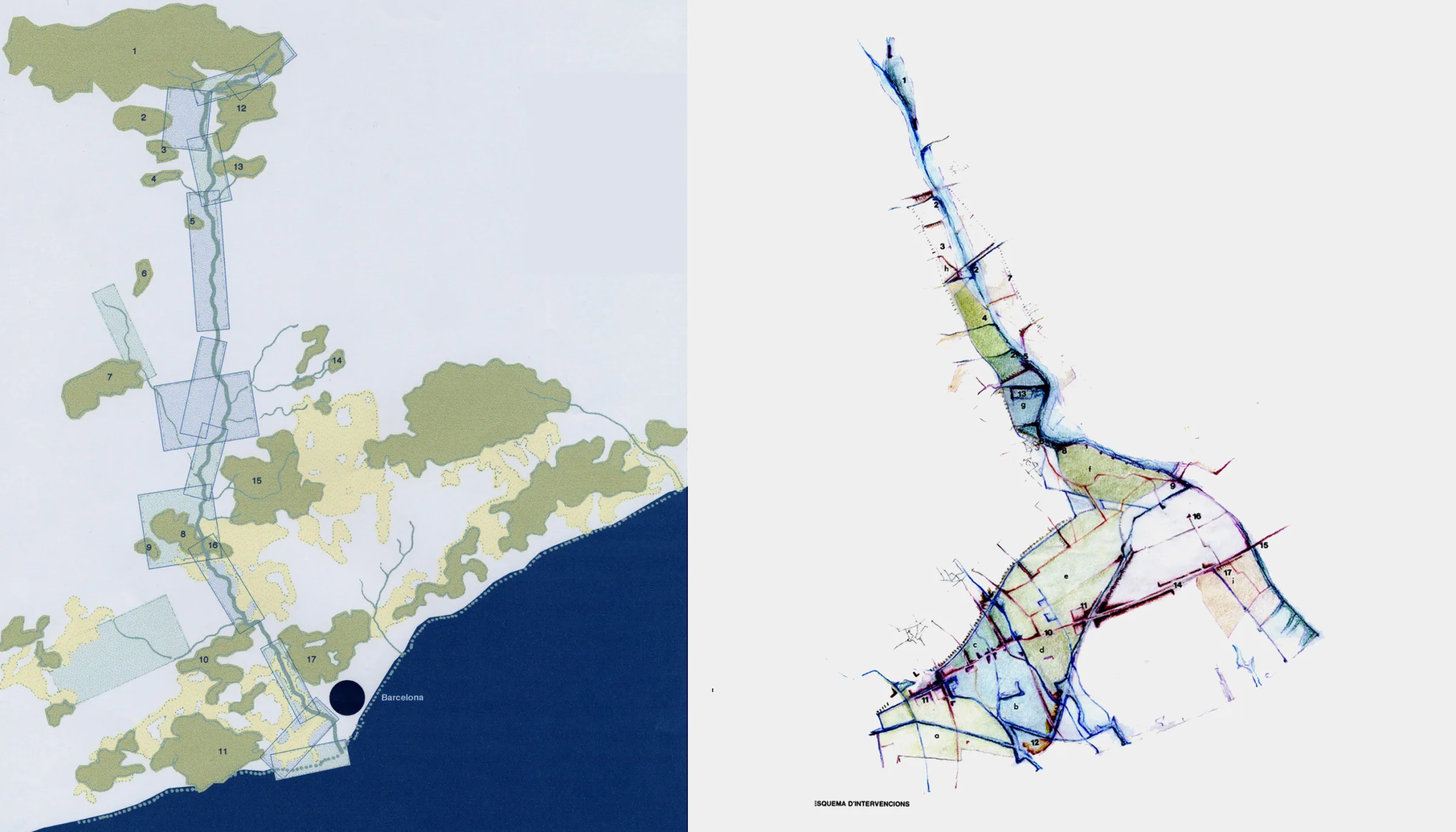
The process begins with the mapping of both the archaeological sites and the wider area, which forms the basis for the development of strategic interventions. In parallel, possibilities for creating new networks with related archaeological sites or museums hosting findings from these sites are explored. Through the exploration of the concept of accessibility, in combination with the need to protect cultural heritage, interventions are proposed that aim to establish new, meaningful relationships between visitors and archaeological sites.

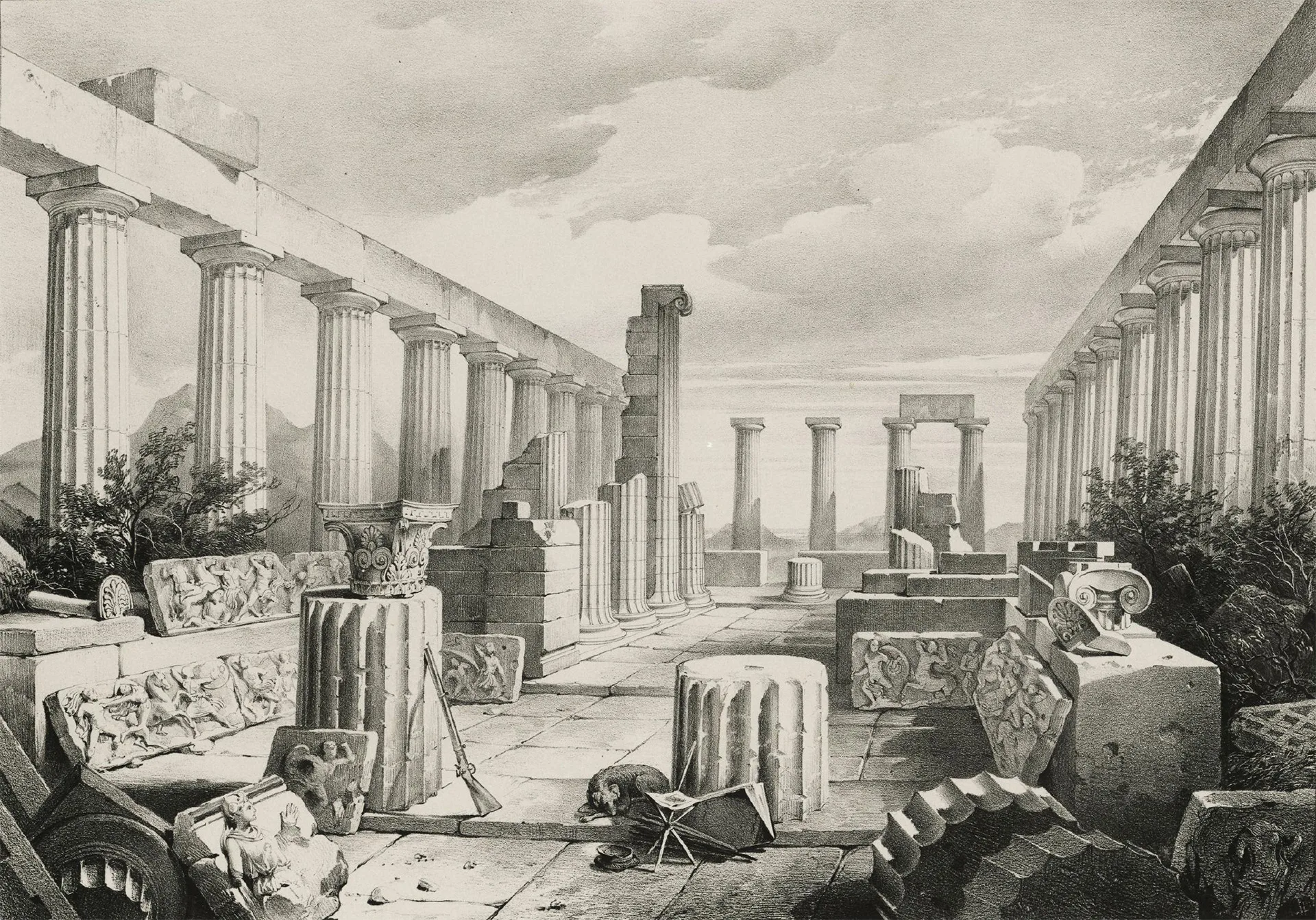
Lecture topics include landscape interventions, an introduction to the concept of the monument and its evolution from a historical site to a place of cultural heritage, archaeological remains within the natural landscape, and mapping methodologies. One-day educational field trips to archaeological sites such as Sounion, Delphi, Eleusis, Ancient Corinth, etc., are included.

2.2.1

The where and how of cultural heritage: Heritage and Locus as the focus of research by design

Faculty

Module Type

Elective

Credits

6

Hours

3/week

The module focuses on the concept of the cultural landscape as a subject of research-by-design. Its primary objective is twofold: firstly, to familiarize students with the concepts and analytic tools of locus, landscape, continuum, and network, in relation to site, diagram, and program within architectural research; and secondly, to cultivate the capacity to apply these tools effectively in selected case studies. Moreover, the module aims to demonstrate the importance of analysing both the tangible and intangible dimensions of cultural landscapes and the historic buildings they encompass, as well as the often-conflicting values embedded within them. Finally, it seeks to develop students’ ability to employ in situ research methodologies and contemporary instruments relevant to research-by-design approaches. The module examines the natural and human-made environment of the cultural landscape, focusing on the concepts of locality (locus) and its associated cultural background, understood as two central notions for heritage management. The module material focuses on the concepts and analytical tools of place, landscape, continuum, and network, in relation to the site, diagram, and program within architectural research. These concepts and tools are explored and applied through a targeted selection of case studies. Subsequently, the module shifts its focus to the transition from the landscape-scale to the building-scale, examining their interrelation and developing methodologies for analysing and evaluating their respective dimensions. Finally, methodologies for the management of in situ research on built works, along with contemporary tools for research-by-design, are elaborated and applied as part of the module exercise. Students are encouraged to develop a personal approach of expression through their own selection of media that articulate the language of space.

2.1.4

Seminar 2: Reframing Cultural Landscapes: Nature, Pluriverse and Reciprocity

Faculty

Module Type

Compulsory

Credits

4

Hours

3 weeks

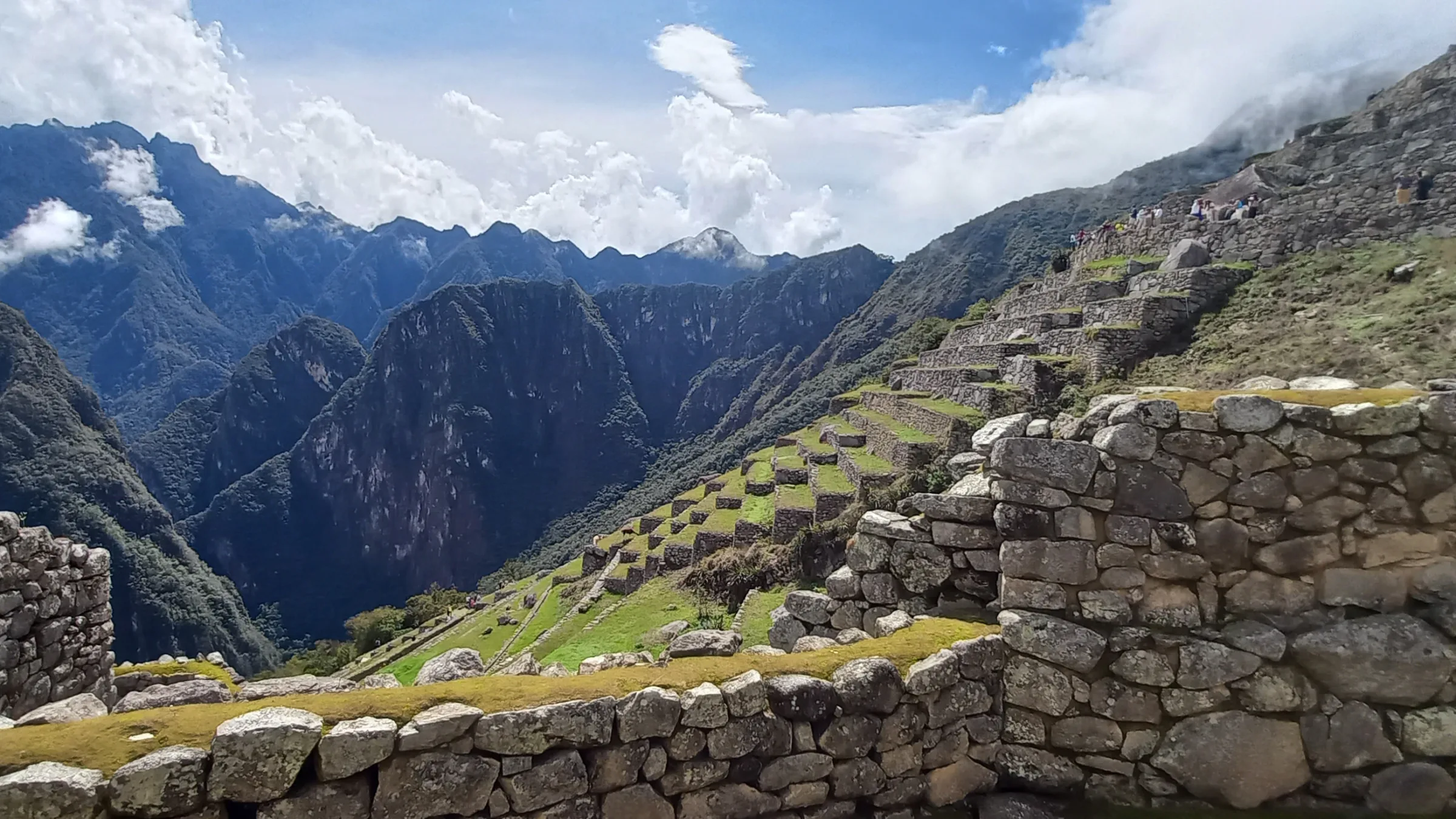
This module explores contemporary methodological approaches and design research focused on cultural landscapes through three interpretive lenses: Nature-Cultures, which examines the entanglements between natural processes and cultural expressions, with particular attention to how landscapes are framed, curated, or controlled; Theories of the Pluriverse, which engage with non-Western and anti-colonial worldviews in order to understand diverse systems of value, meaning, and being; and Reciprocal Landscapes, which investigate relationships of mutual influence and exchange between people and environments, emphasizing care, responsibility, and regeneration. Through these lenses, examples of rural landscapes will be presented in order to encourage students to engage critically with cultural landscapes as complex, dynamic, and contested spaces of meaning-making and design. Drawing on research developed over the past twenty-five years, including case studies of “ordinary” landscapes across Spain and the United States, the course seeks to reframe cultural landscapes as complex systems composed of multiple overlapping orders, traces, and spatial patterns shaped by both human and non-human forces; to introduce and apply the three key interpretive frameworks in order to deepen critical understanding; to explore how design can function as a research methodology through “research by design” for the interpretation, mapping, and regeneration of landscapes; and to reconsider canonical case studies, such as the Erie Canal National Heritage Corridor in New York, as layered palimpsests of infrastructure, ecology, memory, and erasure, including Indigenous histories and more-than-human narratives.

2.1.3

Seminar 1: Cultural landscapes, heritage and territorial design

Faculty

Module Type

Compulsory

Credits

4

Hours

3 weeks

Carl Sauer defined cultural landscape as the result of the action of a social group on a natural landscape, in other words, a human footprint on the territory, a text that can be written and interpreted, or for us, an area associated with an historical event, an activity, or a personage, which contains aesthetic and cultural values.

Students will develop analytical and design competences to address the interrelation between cultural landscapes and urban design and transformation. Through studio-based learning, case studies analysis, and collaborative teamwork, participants evaluate spatial strategies, processes and intervention tools that integrate cultural identity, environmental characteristics, and sustainable development.

2.1.2

Cultural Heritage and Landscapes: Theories and Methodologies

Faculty

Module Type

Compulsory

Credits

8

Hours

2/week

This module critically examines the concepts of culture, heritage, and cultural landscapes through diverse theoretical and methodological approaches. It begins by unpacking the multiple and often conflicting meanings of culture that have emerged over the past two centuries, establishing a foundation for understanding heritage as a contested and dynamic field. The course introduces key debates within Critical Heritage Studies, including differing interpretations of heritage, authenticity, and value systems, alongside the historical development of monument preservation. It explores how norms, principles, and international frameworks—such as the UNESCO World Heritage Convention—shape heritage practices, while also addressing their limitations and tensions, particularly in relation to local contexts and indigenous perspectives. Students engage with a wide range of interdisciplinary methods drawn from the social sciences, cultural anthropology, and historical research, applying them to the analysis of cultural and urban landscapes. The module also examines competing notions of landscape across disciplines and introduces critical landscape studies as a means of challenging dominant representations. Through case studies, field-based exercises, and seminar discussions, students develop analytical skills to interpret landscapes, assess heritage values, and understand governance challenges. The module ultimately equips students to approach heritage critically, reflexively, and within broader social, political, and environmental contexts.

2.1.1

Preservation and Safeguarding of Cultural Heritage

Faculty

Module Type

Compulsory

Credits

8

Hours

2/week

This master’s module offers a comprehensive and critical exploration of cultural heritage in the 21st century, positioning archaeology as both a creative and inherently destructive applied discipline. It examines the full trajectory from discovery to exhibition, reframing archaeological sites as museums and museums as active archaeological spaces, while emphasizing the urgency of preservation and safeguarding. The course introduces key concepts such as cultural heritage, authenticity, integrity, and cultural landscapes, alongside the evolution of preservation philosophies from monument-focused conservation to holistic landscape management. It situates heritage practice within international and national frameworks, including UNESCO conventions, while critically addressing the gap between global policies and local implementation.
Through thematic sessions, the module interrogates processes of destruction, decay, and restoration, highlighting philosophical and ethical dilemmas such as identity, ruination, and reconstruction. It also provides hands-on insight into advanced documentation and digital methods, including photogrammetry, remote sensing, and augmented reality. Special attention is given to urban, periurban, and rural heritage, as well as World Heritage Sites and cultural landscapes, exploring their management, threats, and socio-political dimensions. The module further addresses contested and endangered heritage, issues of repatriation, and the role of “heritage from below.” A strong emphasis is placed on community-based approaches, participatory practices, and the integration of local knowledge systems. Finally, the course engages with contemporary challenges such as climate change, mass tourism, sustainability, and the decolonisation of heritage, preparing students for critical, inclusive, and forward-thinking heritage practice.

1.2.3

A Methodology of Compound Approach: Cultural Landscapes and their Design Schematization

Faculty

Module Type

Elective

Credits

6

Hours

3/week

A didactic methodology concerning landscape formation must consider, at least, two important approaches. The first approach must refer to the landscape’s cultural validity, which is crucial for the formation of human communities. It must discuss how the landscape has shaped the social identities of these communities, how their history has emerged from their natural surroundings, and how the environment is changing accordingly. Moreover, a concise didactic methodology concerning landscape formation must also refer to a second approach regarding the design of landscapes, one that considers the possibility of expressive, representational, and semantic interventions in them. It is within this context that the proposed module will present the relation between landscape design and other design practices, especially architectural and urban design, in Euclidean or topological terms. The module will intensively refer to the concept of abstract ‘schematization’ applied to both natural and human-made design elements, a concept crucial for neoteric, modern, and contemporary theory of knowledge. It is important to comment, in addition, that abstract design schemes applied in landscape design in every historical period possess cultural and, in many ways, political value. They are correlated with the approval or the rejection of the degree of human control exerted on nature. They are thus correlated with cultural and, in many ways, political intentions concerning social and ecological conscience. The module will insist on non-conventional exercise approaches, on original essays of creative texts, with the addition of supportive sketches, drawings, or elementary models.

1.2.2

Landscapes of Modern Greece: Places, Stories, Architectures

Faculty

Module Type

Elective

Credits

6

Hours

3/week

Even in its most international and radical forms, modern Greek architecture sought to connect with its place. The geomorphology, nature, history, myth, and ‘genius’ of each place influenced architecture in a decisive way. Through various revivals, revisions, and reconceptualisations, modern ideals were superimposed on existing cultural forms, adding new layers to those of past times.

The module explores how specific cultural landscapes shaped the identity of modern architecture in Greece, positioning it within the liminal space between myth and history, utopia and reality, modernity and tradition. Through examining specific case studies, the module will explore the cultural and aesthetic identities of places such as Athens, Delphi, Elefsina and Delos, and their influence on architects’ work in Greece and beyond. Students will use texts, sketches, drawings, photographs, and other materials produced by architects, artists and other intellectuals as an open repository of ideas and forms, using them to produce their own narratives in the form of short fiction or visual essays. Ultimately, the critical documentation of places and their histories and the production of contextual archives, will lead to novel interpretations and creative compositions.

1.2.1

Difficult/Dissonant Heritage and architectural design

Faculty

Module Type

Elective

Credits

6

Hours

3/week

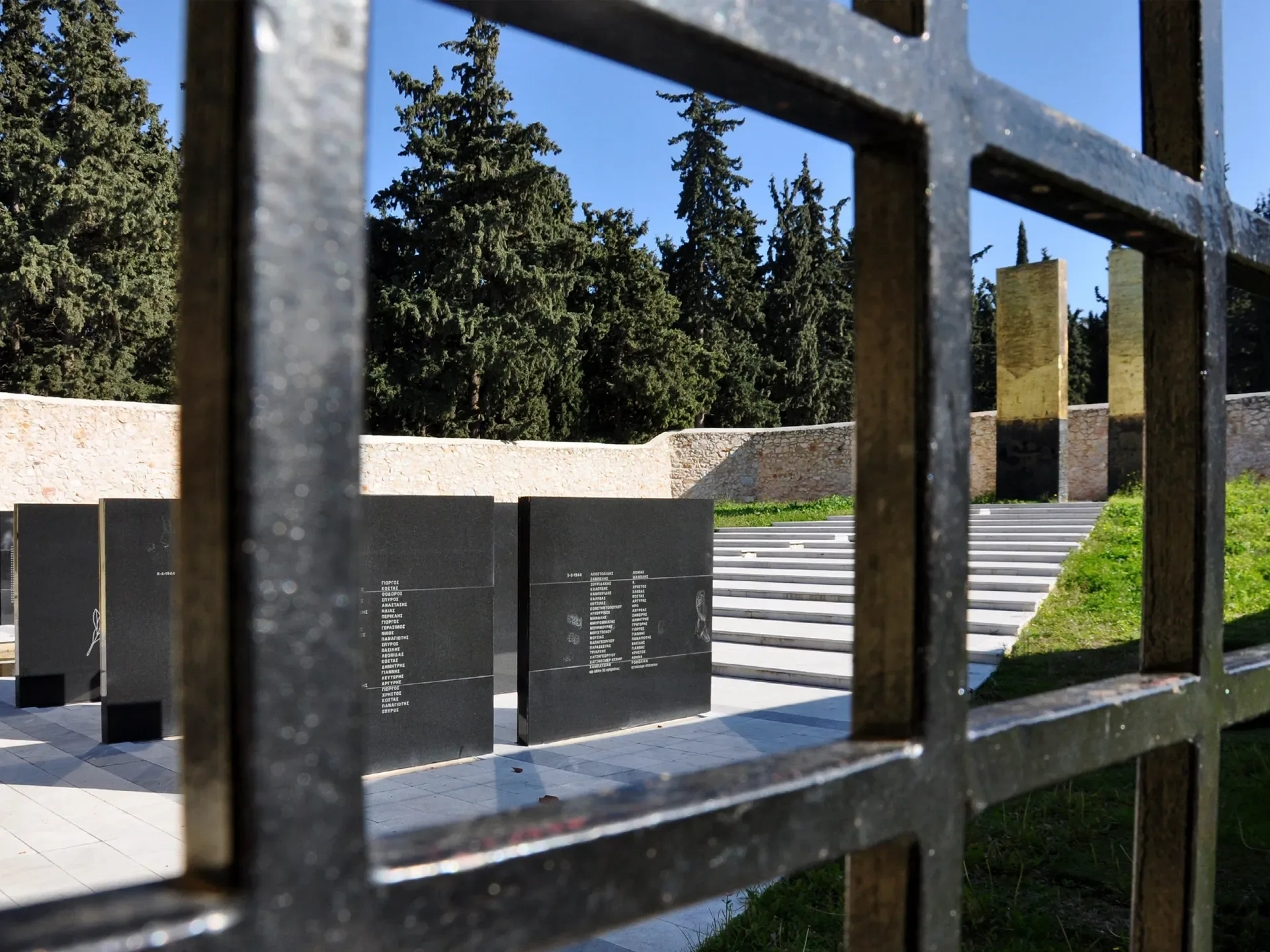
The term ‘difficult heritage’ is used to describe a past that is recognised as important for the present but that is also ambivalent, awkward, or does not easily fuel national or other self-confirmation. Instead of pride, it encourages reflection, memory, social reconciliation, self-criticism, honouring the victims. Concentration camps, sites of torture, refugee housing, monuments of ‘Others’, and abandoned settlements are some typical examples of such sites. What is the position and function of such sites in the contemporary urban and rural landscape? How do they constitute objects of spatial and architectural design? This module will examine a series of international examples of Difficult Heritage and the role that architectural design played or can play in the handling of memory. During the module, important theoretical and design-related issues will be addressed, such as the preservation of evidence, the educational function of the site, the role of new technologies and digital humanities. Moreover, we will discuss the dangers of aestheticization of violence, commodification of memory, loss of information, lack of inclusivity and politicisation of the narrative.

1.1.2

Seeing, Modeling, and Preserving: Representational Tradition and New Technologies in Heritage Documentation

Faculty

Module Type

Compulsory

Credits

6

Hours

3/week

This course develops a comprehensive theoretical and practical framework for understanding the role of representational processes in architecture and archaeology. It focuses on how both traditional and contemporary surveying methods influence the perception, understanding, documentation, and interpretation of cultural heritage. Through a critical historical review, students will first assess the significance of traditional means of representation. They will then learn the theoretical principles of modern, high-precision modeling, specifically photogrammetry, alongside gaining hands-on experience with practical documentation methods. This includes using both terrestrial (ground-based) and aerial (drone/UAV) recording equipment, along with their respective digital processing software. A core objective is to critically analyze the profound relationship between representational media and the perception and experience of architectural and archaeological sites, allowing students to discuss the contribution and impact of new technologies in documenting individual objects, buildings, and complex sites.

The course employs a dynamic, blended format to ensure a robust learning experience, integrating weekly lectures, discussions, workshops, and fieldwork.

The lectures provide the necessary theoretical background on the history, significance, and uses of architectural and archaeological documentation. They also introduce the fundamental principles of digital photogrammetry and its specific applications in recording cultural works.

The workshops and fieldwork, which take place every [TBA], are practical and cover project planning, data acquisition, and data processing. They train students in the use of specialized digital processing software for photogrammetric reconstruction and the generation of 2D/3D outputs. Students work collaboratively in groups to gain essential hands-on knowledge in two key areas: first, organizing the recording of a historic building or object using new technological means; and second, executing the design, data acquisition, and processing using professional software workflows.