1.2.1
Difficult/Dissonant Heritage and architectural design
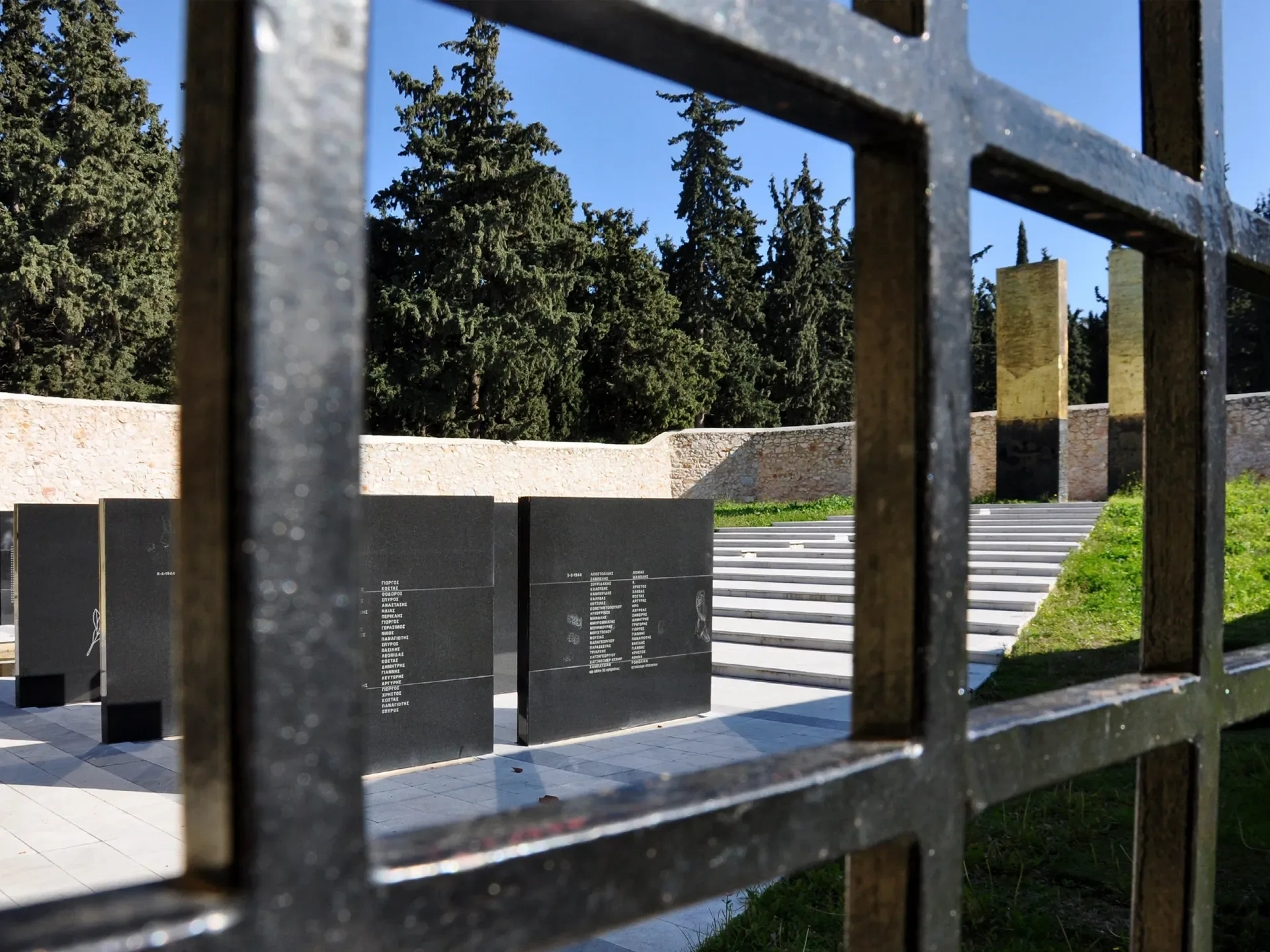
The term ‘difficult heritage’ is used to describe a past that is recognised as important for the present but that is also ambivalent, awkward, or does not easily fuel national or other self-confirmation. Instead of pride, it encourages reflection, memory, social reconciliation, self-criticism, honouring the victims. Concentration camps, sites of torture, refugee housing, monuments of ‘Others’, and abandoned settlements are some typical examples of such sites. What is the position and function of such sites in the contemporary urban and rural landscape? How do they constitute objects of spatial and architectural design? This module will examine a series of international examples of Difficult Heritage and the role that architectural design played or can play in the handling of memory. During the module, important theoretical and design-related issues will be addressed, such as the preservation of evidence, the educational function of the site, the role of new technologies and digital humanities. Moreover, we will discuss the dangers of aestheticization of violence, commodification of memory, loss of information, lack of inclusivity and politicisation of the narrative.


