Programme
About
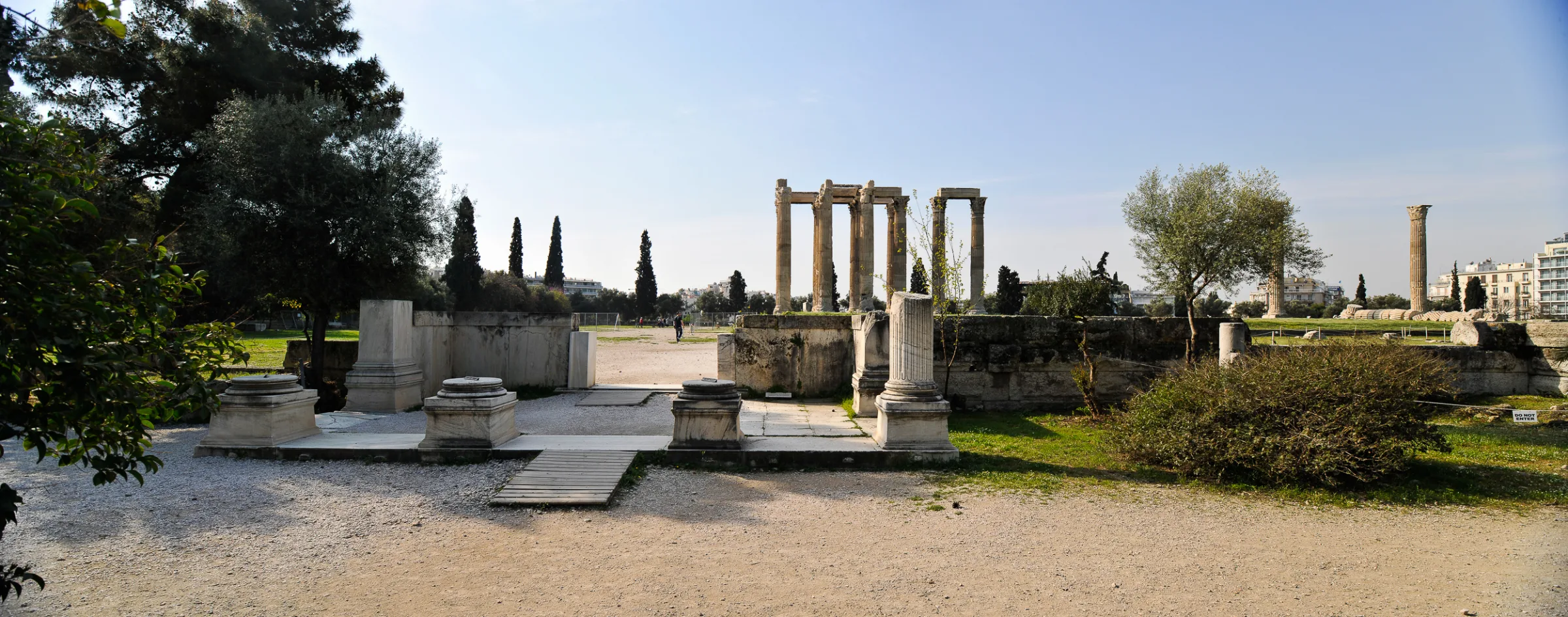
The Joint Master Programme explores issues related to cultural heritage landscapes and the design of contemporary interventions within these contexts, with a focus on the preservation, interpretation, and enhancement of historic environments.
It addresses the contemporary challenges of the 21st century, including climate change, sustainability, and the evolving role of heritage across urban, peri-urban, and rural settings. The programme teaches students to approach cultural landscapes as dynamic, living expressions of human interaction with the environment, emphasizing their significance in shaping spatial memory and collective meaning. Through case studies and design projects, they develop methods to balance preservation with contemporary architectural expression and sustainable stewardship.
The Joint Master Programme takes a broad, interdisciplinary approach that reflects the complexity of the term ‘cultural heritage landscape’ in the context of today’s urgent climate challenges. It explores the deep connections between architecture, urban and landscape design, and their environmental, cultural and historical dimensions. It provides a platform for critical thinking, reflection, and practice in the research, design, and management of cultural heritage and landscape, with the aim of fostering sustainable and resilient outcomes. Its curriculum encourages collaboration across diverse yet complementary disciplines, including architecture, landscape design, cultural studies, urban planning, digital technologies, and the humanities. It establishes a dynamic, contemporary approach to cultural heritage. It investigates theoretical frameworks and integrative strategies for managing and designing heritage in natural, urban, and peri-urban landscapes. By embracing innovative digital technologies, it explores sustainable methods for the protection, enhancement and design of these cultural heritage landscapes in ways that are relevant to current society.
Overview
The main objective is to offer a comprehensive programme of study that incorporates the strengths of both universities (NTUA and UHD), thus promoting a rich and competitive environment in the field of cultural heritage landscapes.
The Master programme fosters a rigorous and imaginative engagement with landscape and heritage as dynamic fields of design inquiry. It encourages students not only to analyze and document the past, but also to reinterpret and project it forward, transforming sites of memory into spaces of dialogue, critical reflection, and future potential. In this context, design and critical thinking are positioned as essential tools for negotiating the complex relationships between history, identity, and contemporary life.
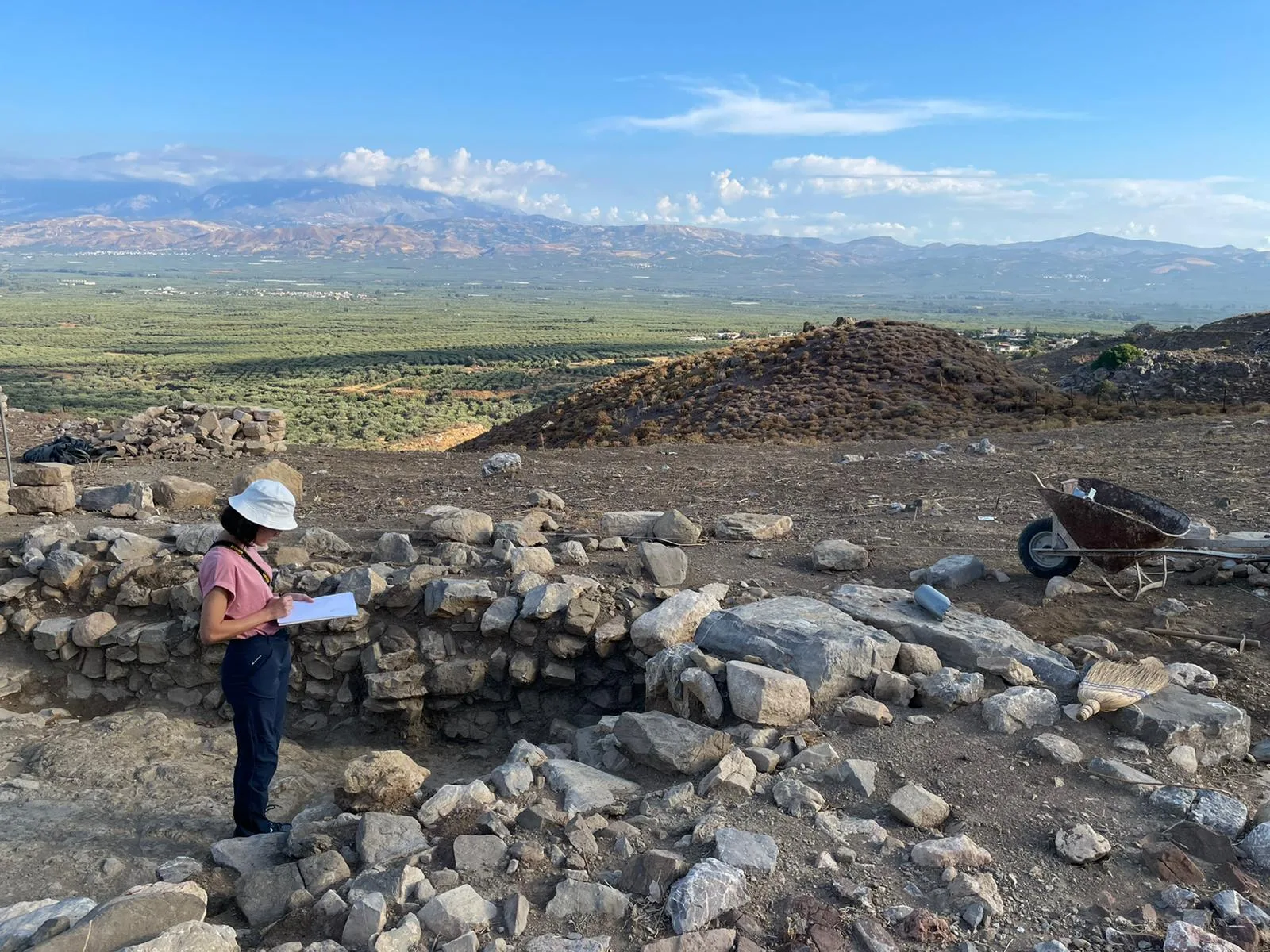
During the first semester, students attend core modules at NTUA. In the second semester, instruction is delivered at UHD, complemented by one elective module offered online by NTUA, as well as two seminars led by invited scholars from the Polytechnic University of Catalonia and Cornell University. In the third semester, students participate in the “Workshop for Field Research in Cultural Landscape,” undertaken as an internship in Minoan Koumasa, Crete. Concurrently, they attend one module at NTUA and two online seminars delivered by invited scholars from the University of Coimbra and ICOMOS USA, thereby engaging with cultural issues of international relevance. In the fourth semester, students complete their thesis, supported by a dedicated seminar on research methodology.